Where to go on safari
Tanzania protects roughly 38% of its land, with 16 national parks, 29 game reserves and 40 conservation areas. These seven are where our itineraries spend their time.
Serengeti National Park
View destination →
Ngorongoro Conservation Area
View destination →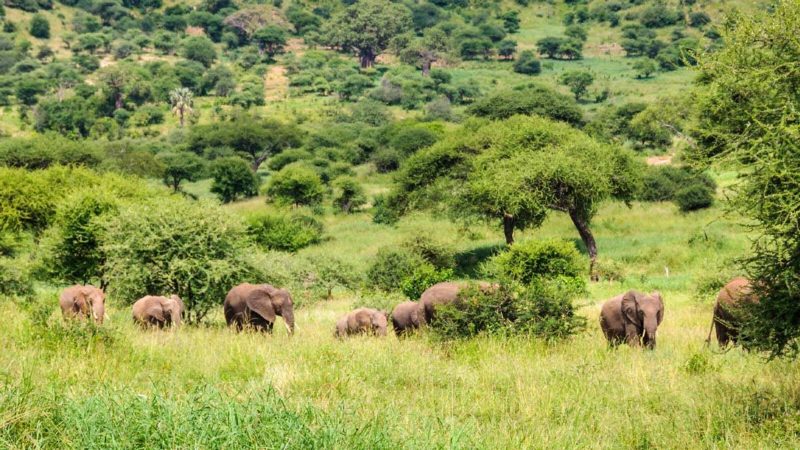
Tarangire National Park
View destination →
Lake Manyara National Park
View destination →
Arusha National Park
View destination →
Mount Kilimanjaro National Park
View destination →
Zanzibar
View destination →
Ndutu
View destination →
Lake Eyasi
View destination →
Olduvai Gorge
View destination →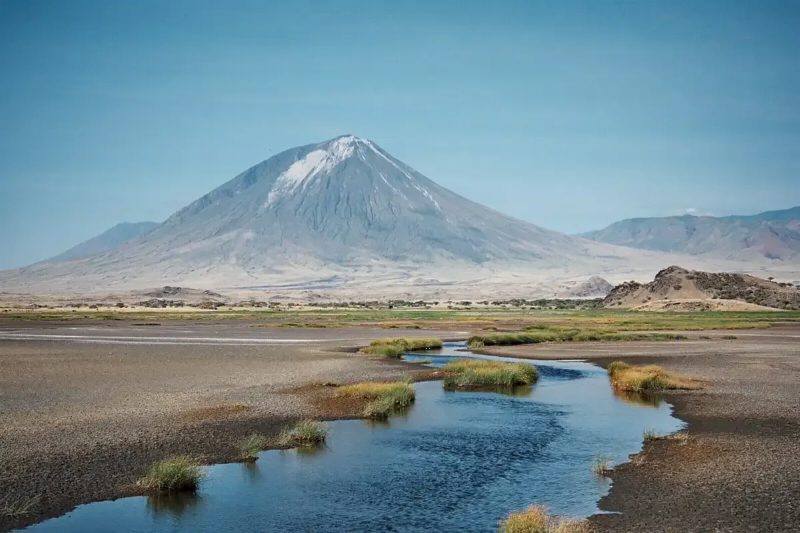
Lake Natron
View destination →
Mto wa Mbu
View destination →
Central Serengeti (Seronera)
View destination →
Northern Serengeti
View destination →
Western Corridor
View destination →Two circuits, and most trips use one
Tanzania's parks divide roughly into a northern circuit and a southern and western one. The northern circuit, Tarangire, Lake Manyara, the Ngorongoro Crater and the Serengeti, sits within driving distance of Arusha. That is why it carries most of the country's safari traffic, and why a trip of four or five days makes sense here when it would not elsewhere. The parks are close enough together that you spend your time in them, not travelling between them.
The southern and western parks, Nyerere, Ruaha, Katavi and Mahale, are larger, emptier and harder to reach, usually by light aircraft. They reward longer trips and repeat visitors. RedSoil's itineraries currently run in the north. If you want the south, say so when you enquire and we will tell you honestly whether we are the right operator for it.
Choosing between the northern parks is mostly a question of season and appetite. The Serengeti and Ngorongoro carry the headline wildlife and deserve the time in almost any month. Tarangire is at its strongest in the dry season, when the river concentrates game. Lake Manyara is small and often used as a half-day on the way through. Its birdlife justifies longer. Kilimanjaro and Arusha National Park serve different trips again, one a trek, the other a day out from town.
The northern circuit is compact
Tarangire, Lake Manyara, Ngorongoro and the southern Serengeti sit within a day's drive of each other, west of Arusha. Kilimanjaro is an hour east, and Zanzibar a short flight from either.
That closeness makes a short safari here worthwhile, and it is why most trips combine three or four parks, not one.

Which parks to include, and in what order
The northern circuit is four main parks plus a conservation area, all arranged along one road running west from Arusha. Once you understand that shape, every other decision gets easier.
Tarangire comes first, two hours out on tarmac. It is a river park. It is at its best from July to October, when animals walk in from a much wider area. It is also the only park on the circuit with baobabs in any number.
Lake Manyara is next. It is small, squeezed between the lake and the wall of the Rift Valley, with groundwater forest at the entrance and the best bird list on the circuit.
Then comes the Ngorongoro Conservation Area, with the crater at its centre. The crater floor covers 260 square kilometres and holds some of the highest animal density in Africa. You get a strict six hours down there.
The Serengeti is at the far end. It is bigger than everything else put together, at about 14,750 square kilometres, and its regions are a full day's drive apart.
The usual order is west and then back, with the crater near the end. After several days of open plains, dropping onto an enclosed crater floor feels completely different. Do the crater first and the Serengeti afterwards feels vague by comparison.

How many nights each park needs
- Serengeti
- Two nights minimum, three to be unhurried. The park is enormous and the regions are hours apart, so one night buys an arrival afternoon and a departure morning, not a visit.
- Ngorongoro Crater
- One descent is enough for most people. Six hours on a small floor with exceptional density delivers more than a full day in many larger parks. A second descent suits photographers and anyone specifically after rhino.
- Tarangire
- A full day between July and October, when it's arguably the best big-game park on the circuit. A half day the rest of the year.
- Lake Manyara
- Half a day covers the forest and the northern floodplain. A full day lets you reach the hot springs in the south.
- Ndutu
- Three nights between December and March. Not worth building a trip around outside that window.
- Arusha National Park
- Half a day, on the arrival or departure day. It is the best use of the two days most itineraries waste.

The question that changes a route more than any other is where the migration is. The honest answer is that it follows the rain, not the calendar.
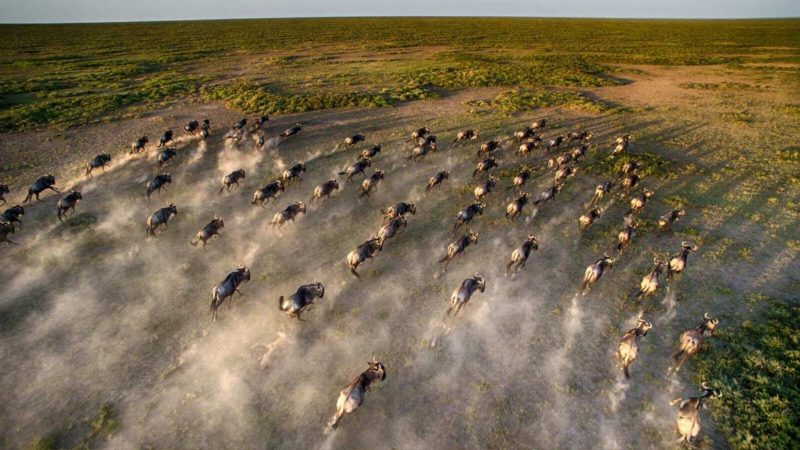
From December to March the herds are on the southern short-grass plains around Ndutu. Calving peaks in February, and that brings the heaviest predator activity of the year anywhere on the circuit.
From April into June they move north and west, through the central Serengeti and into the western corridor. The Grumeti crossings can happen in late June. They are smaller and much less reliable than the Mara crossings.
From July to October the herds are in the far north around the Mara River, and August and September are the busiest. They cross back and forth many times, not once.
In November the short rains pull them south again, through the central and eastern Serengeti.
Everything else stays put. The crater animals do not move. The central Serengeti holds resident game every month of the year. And Tarangire follows rainfall across the wider ecosystem, not the herds.
Fees, roads and what to expect on the ground
TANAPA charges park entry per person for each 24-hour period. Your operator pays it as part of the trip cost, along with concession fees at camps inside the park boundaries.
Ngorongoro crater entry is charged separately by the NCAA, per vehicle as well as per person. It is the largest single daily fee on the circuit.
All these rates change from time to time. Treat any figure you read online as provisional until it is confirmed for your travel dates. That includes a figure in a quote from last season.
The road is tarmac between Arusha and Mto wa Mbu, and corrugated gravel after that. Journeys take much longer than the distances suggest. Arusha to the central Serengeti is a full day.
Off-road driving is not allowed in the Serengeti except in marked areas.
Night driving is not allowed in the parks between seven in the evening and six in the morning, unless night drives are specifically permitted. Lake Manyara is the main place they are.
Drones are not allowed in the game parks. Camouflage clothing is restricted in Tanzania, so leave it at home.

Other places within reach
The northern circuit is not the whole of Tanzania. If you have the time, two or three additions deserve a mention.
Lake Natron sits north of the highlands and is the strangest place within reach. It is a caustic soda lake below the active volcano Ol Doinyo Lengai. It holds the most important lesser flamingo breeding site in East Africa, and there is a waterfall gorge you can walk up. The road there is the roughest on the circuit, and you need two nights.
Lake Eyasi, south-west of the crater, is the cultural destination. Hadzabe and Datoga communities live around it, and the mornings start before dawn.
Zanzibar is an hour and a half from Arusha by air. Safari followed by beach is the most common way people build a two-week trip.
Further away, the southern circuit of Nyerere and Ruaha is a completely different and much quieter safari. You usually reach it by air from Dar es Salaam, so it does not combine well with the north on a short trip.
For most first visits, the northern circuit plus Zanzibar is the right shape. Add Natron or Eyasi if you have the days.

One route that covers most of it
For a first visit with a week or more, the shape that consistently works is Tarangire or Lake Manyara on the first day, the Ngorongoro highlands next, then three nights in the Serengeti, then the crater on the way home.
It puts a short drive and a real game drive on day one, gives the Serengeti the days it needs in the middle of the trip, and saves the crater for the point where an enclosed floor feels like a change of scene, not a preview.
Add Ndutu between December and March, or fly to the far north between July and October, and the same shape covers the migration as well.