Safaris
Kilimanjaro
Destinations
Experiences
Travel guide
About
Contact Call +255 764 006 061 Plan Your Safari
The parks first, the islands afterwards

Tanzania Safari & Zanzibar

Combining a northern circuit safari with time on the Zanzibar coast: how the two halves fit together, and how long each needs.

This is the most common shape of trip we're asked for, and it works because the two halves are so unalike. A safari is early starts, long days in a vehicle and a great deal of concentration. Zanzibar afterwards asks nothing of you at all.

Itineraries

Trips of this kind

All safaris
Two dhows sailing across calm water at sunset.

How many days each half needs

As a rule of thumb: enough safari days to see the parks properly, then three to five nights on the coast. Fewer than three and the beach half becomes another transit. More than five and, unless you're diving or genuinely want to do nothing, it can start to drag.

Six to nine days of safari, then four on the island, is the shape most trips settle into.

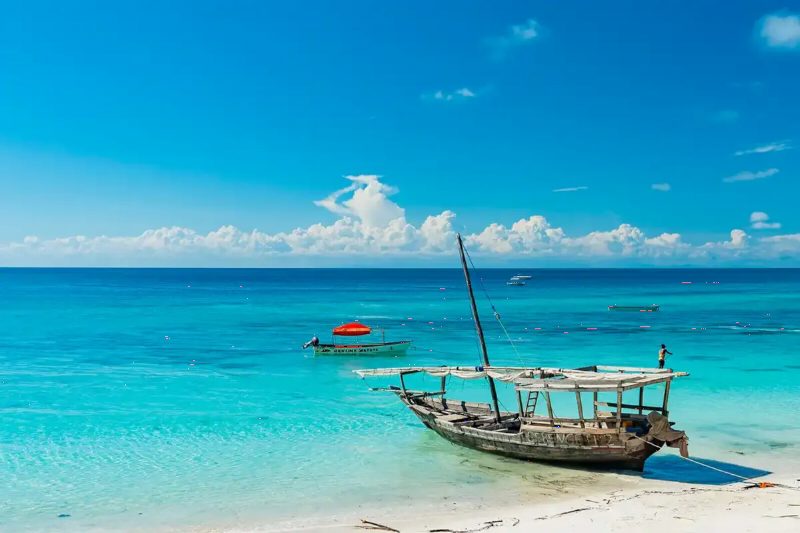
A wooden dhow anchored in clear turquoise water off a white beach.

The order

Safari first, almost always. Arriving into the northern circuit while you still have energy makes sense, and finishing on the coast means you fly home rested, not exhausted. It also protects the safari half. If a flight slips or a road is slow, the flexible days are at the beach end, not in the parks.

Scoops of whole and ground spices heaped in bright colours.

Getting between them

Flights connect the northern circuit with Zanzibar directly, so there's no need to backtrack through Dar es Salaam. That connection is why this combination is so easy.

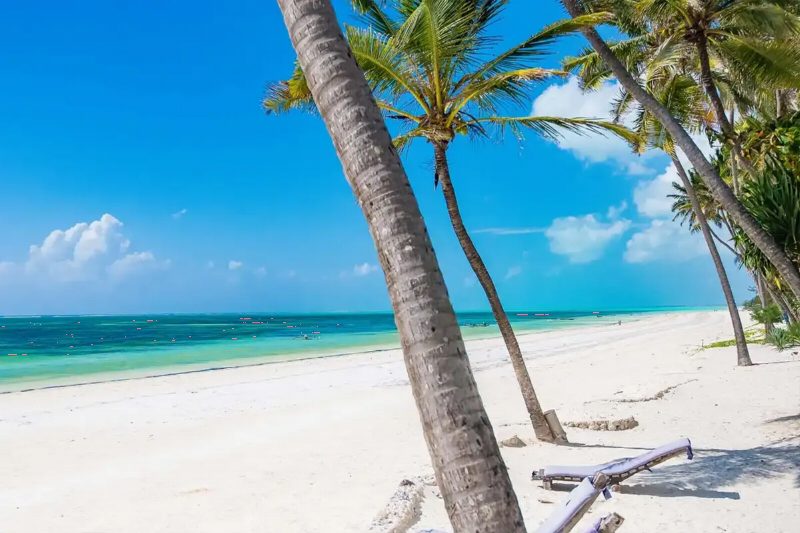
A white sand beach fringed with leaning palms and turquoise water.

Where the seasons disagree

The islands run on the monsoon, not the safari seasons, so the best months for each don't always match. Occasionally that changes the order of a trip or the length of a leg. Raise it when you first enquire instead of discovering it late. Sometimes shifting by a fortnight improves both halves at once.

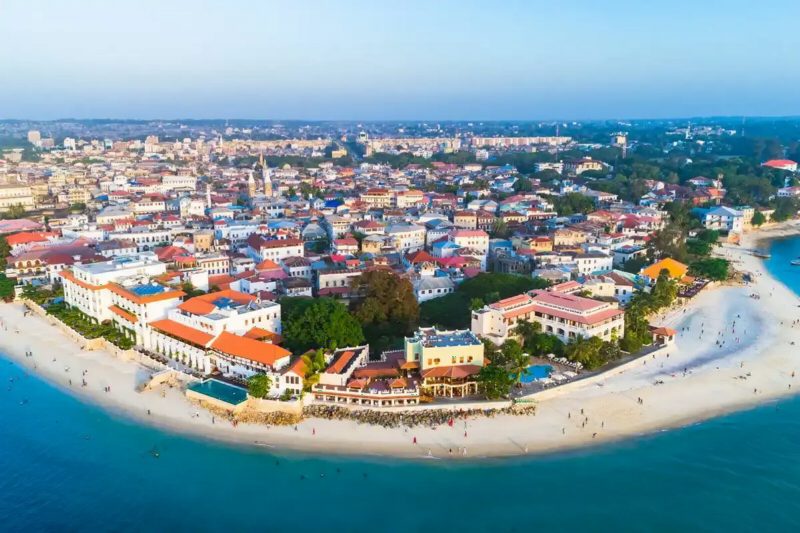
Stone Town from the air, its old buildings crowded along a curving beach and turquoise sea.

Choosing the safari half

Any of the itineraries below extends to the coast. The longer ones suit it better, simply because if you're travelling this far it's worth giving the parks the time before the beach.

Old stone buildings with carved balconies on a quiet street in Stone Town.
Planning

How to split the days

The most common shape is a week on safari and a week on the coast, and it's a good shape, but the split that actually works depends on which half you care about.

The minimum viable safari is four days, which reaches the Serengeti and the crater and nothing else. Six is where it starts to breathe. If you are coming for the wildlife, protect those days first and take what's left for the island.

The minimum viable island stay is three nights, once transfer days are counted. Below that the flying eats it. Five to seven is where it stops feeling rushed.

So a ten-day trip is realistically six on safari and three on the island with a travel day. A fourteen-day trip can be eight and five, or seven and six.

Order matters more than the split. Safari first, always. After a week of early starts and corrugated roads the island is the right kind of nothing, and reversing it means finishing your holiday on a dawn game drive.

Build in a night in Stone Town before the beach if the island's history interests you at all. It's a genuinely different place from the coast hotels.

Sacks of spices and dried seeds packed side by side in a market.
Planning

Flights and connections

Getting between the two halves of the trip is easier than most people expect. Understand it, because it changes the itinerary.

Scheduled flights run daily from the Serengeti airstrips, including Seronera and Kogatende, to Zanzibar. They usually stop at Arusha on the way. So you can finish a safari in the Serengeti in the morning and be on the coast the same afternoon, without the long drive back east.

Flying from Arusha or Kilimanjaro takes about an hour and a half direct. From the Serengeti it takes a little over two hours with the stop.

Luggage limits on the light aircraft are strict, usually 15 kilograms in a soft bag, and they are enforced. A hard suitcase is a genuine problem. Most people leave a bag at their Arusha hotel and travel with soft luggage for the flying legs.

Zanzibar has its own immigration desk even on domestic flights from the mainland, so carry your passport. Do not pack it.

If you are flying home from Zanzibar instead of Kilimanjaro, check the routing when you book your international flight. Not every airline connects through Dar es Salaam conveniently, and the difference can be several hours.

Reality check

What can go wrong with a combined trip

Build in a buffer before an international flight. Light aircraft in Tanzania are reliable but they're weather-dependent, and a Serengeti airstrip in heavy rain can delay a departure by hours. Connecting from a bush flight to a long-haul departure on the same day is possible and isn't what a cautious plan looks like.

The 15-kilogram soft-bag limit on light aircraft catches people out constantly. Confirm the limit for your specific flights and pack for it. Do not hope.

Malaria prophylaxis covers both halves of the trip, not just the safari. Take medical advice on what's appropriate for you.

Zanzibar's mandatory travel insurance requirement applies on arrival at the island, separately from any policy you already hold. Check the current rule before you fly.

And be realistic about the transition. Going from 4am game drives to a beach in twenty-four hours is a bigger change of pace than it sounds, and most people need the first island day to do nothing at all. Do not book a full-day excursion for it.

An aerial view of Zanzibar Town beside the sea.
Timing

Matching the seasons on both halves

The two halves of the trip don't have identical seasons. Know where they differ.

June to October suits both. Dry on the mainland, dry and warm on the island, and the peak season for each. It is the safest choice if you can only travel then.

December to March also suits both. The calving season on the southern plains, and the hottest, driest stretch on Zanzibar. February is the peak of both.

April and May are the long rains on the mainland and the wettest months on Zanzibar by a distance. Many island hotels close in April. This is the cheapest period by far and the only one where the weather is a genuine argument against the trip.

November is the short rains on the mainland and a shorter wet spell on the island. It is quiet, green and good value, and the rain usually comes in the afternoon, not all day.

If your dates fall in April or May and you want the island, consider substituting the northern coast, which is marginally drier, and building in more flexibility than you otherwise would.

A long white beach and turquoise shallows seen from the air.
Planning

Which island, and which coast

Zanzibar is the default second half, but it isn't the only one. Make the choice deliberately.

Zanzibar itself has the widest range of accommodation, the easiest flight connections and Stone Town, which justifies the trip even if you aren't interested in beaches. The north coast, Nungwi and Kendwa, has the smallest tidal range and is where to stay if swimming whenever you like matters. The east has better sand and a large tide.

Pemba, north of Zanzibar, is far quieter, greener and less developed, with better diving and a fraction of the visitors. Flights are less frequent and accommodation is limited, which is precisely the point.

Mafia Island, to the south, is the diving and whale-shark destination, with a season for the sharks running roughly October to March. It is the least developed of the three.

The mainland coast around Pangani and Saadani is the option nobody considers: reachable by road from Arusha, with Saadani National Park being the only Tanzanian park on the ocean.

For a first trip, Zanzibar. For a second, Pemba or Mafia is a genuinely different holiday.
A table for two on the sand at dusk, with lanterns either side and the sea behind.

Packing for two very different halves

The two halves of this trip need almost opposite wardrobes, and the bag has to work for both.

Safari wants layers, closed shoes and muted colours. The early morning is genuinely cold and the middle of the day is hot. Zanzibar wants very little of that, but it does want you to cover shoulders and knees away from the beach. Stone Town and the villages are conservative, and it matters more than most visitors realise.

Pack the safari half properly and add a light long-sleeved shirt, a scarf or sarong, and swimwear. That covers both without a second suitcase.

Questions

Common questions

Should we do the safari or Zanzibar first?
Safari first, always. After a week of early starts and corrugated roads the island is the right kind of nothing, and reversing it means ending the holiday on a dawn game drive.
How do you get from the Serengeti to Zanzibar?
Scheduled flights run daily from the Serengeti airstrips, usually with a stop at Arusha. A little over two hours in total. From Arusha or Kilimanjaro direct it's around an hour and a half.
What is the luggage limit on the internal flights?
Typically 15 kilograms in a soft bag, and it's enforced. A hard suitcase is a real problem. Most people leave a bag at their Arusha hotel for the flying legs.
How should we split the days?
On ten days, roughly six on safari and three on the island plus a travel day. On fourteen, eight and five. Protect the safari days first if wildlife is the priority.

Interested in tanzania safari & zanzibar?

Tell us your dates and we will put something together.

Talk to a safari expert on WhatsApp (opens in a new tab)