Safaris
Kilimanjaro
Destinations
Experiences
Travel guide
About
Contact Call +255 764 006 061 Plan Your Safari
8 days, 7 nights

8-Day Serengeti Migration Safari

Timed around the wildebeest herds and the calving season

Lions lying along the branches of a spreading acacia tree.
Wildebeest walking across dry grass below the crater wall.
Walkers crossing rolling green highland pasture below a line of hills.
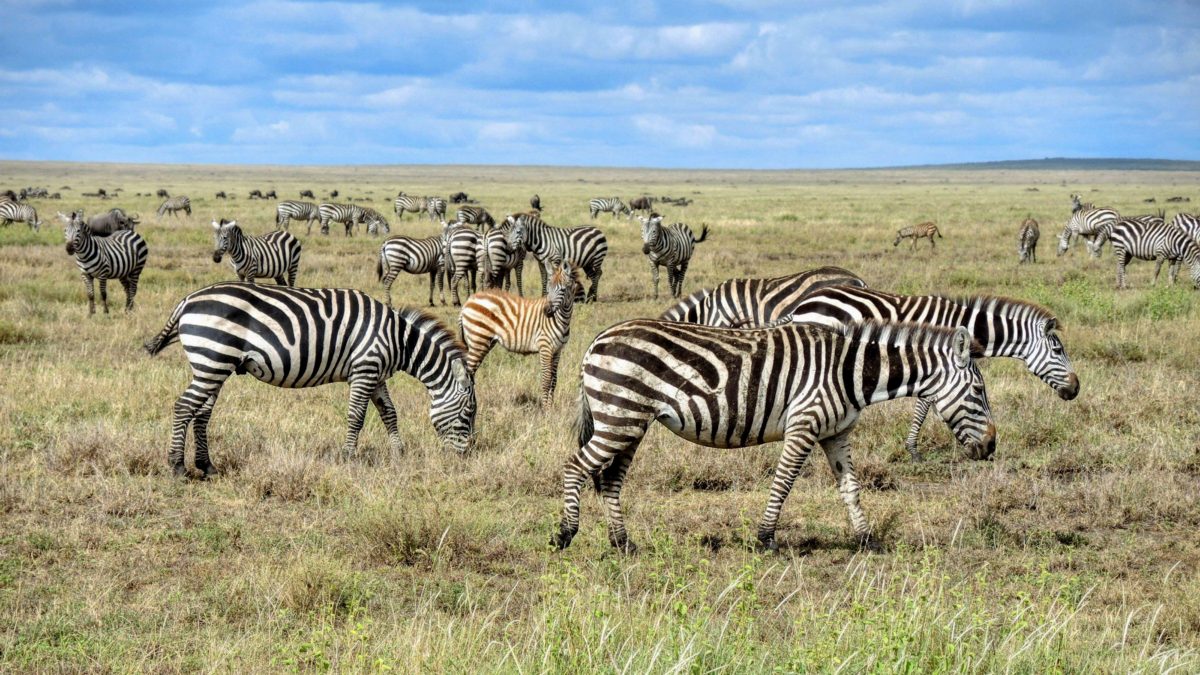
A herd of zebras grazing on a grassy plain.
A dusty herd of wildebeest moving across a dry plain.
A hot-air balloon rising above trees on a hazy morning.
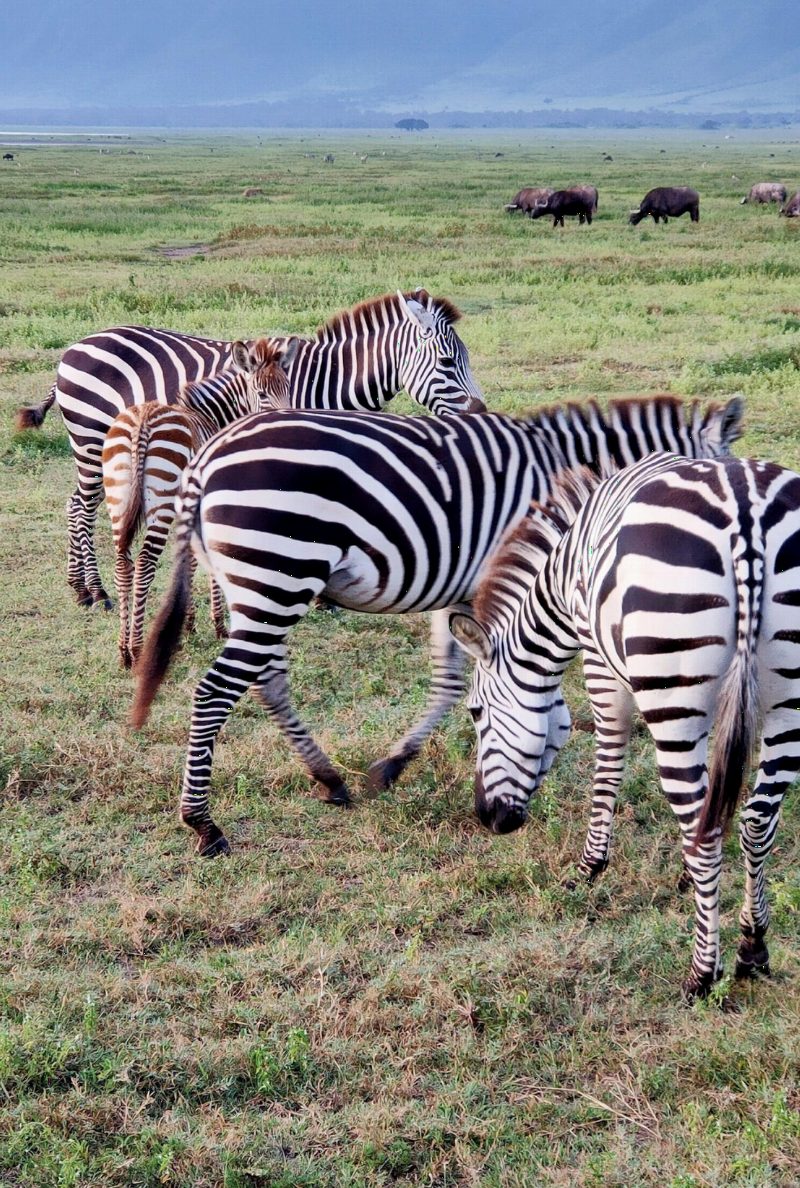
Three zebras grazing on green grass, wildebeest behind them.
Three travellers standing up through the roof of a safari vehicle, laughing and waving.
Overview

Eight days is the first length that gives the Serengeti the time it needs.

You get three nights there. The trip also adds Ndutu on the southern plains and finishes over the Ngorongoro Crater, with Lake Manyara on the way out from Arusha.

Ndutu makes this trip different from a standard circuit. It sits on the border between the national park and the Ngorongoro Conservation Area, and parts of it allow off-road driving. That is the difference between watching a cheetah from two hundred metres away and photographing one properly.

Between December and March the migration is on these short-grass plains. The calving happens here in February, and it brings the heaviest predator activity anywhere on the circuit.

From Ndutu you drive north into the Serengeti for two more days around Seronera. The river valley there holds resident lion, and it is the best leopard country on the circuit in any month.

The crater comes at the end. You sleep on the rim and descend early.

Outside the calving season Ndutu is quieter and greener, and the trip leans more on the central Serengeti. The route works all year. The change is in where the animals gather.

Day by day

The itinerary

JRO to Arusha Day 1

You arrive at Kilimanjaro International and transfer to Arusha, which takes about an hour. The safari itself starts tomorrow. Tonight is about landing, sleeping and meeting your guide. The briefing covers the route, what to keep in the vehicle and what to leave behind. Because this is a private trip, it also covers what you actually want out of the eight days. Say so plainly if you are a photographer who would rather sit with one sighting for an hour than tick off five animals. Say so if you would prefer fewer, longer days in each place. That conversation changes your trip more than anything else.

  • Arrived to JRO Meet with Driver JSG/ESG
  • Check in Hotel
  • Dinner and overnight at Lodge,Camp or Hotel (HB
Manyara Day 2

West to Lake Manyara, around two hours on tarmac from Arusha. The park starts in genuine groundwater forest. Mahogany and fig fed by springs from the base of the escarpment, dense and dark, with baboon troops in the road and blue monkeys overhead. It isn't what most people picture when they picture Tanzania, and it's a good reason to start here. Beyond the forest the country opens through acacia woodland to the floodplain and the soda flats along the lake, with elephant in the woodland and hippo at the northern end. If the canopy walkway interests you it needs arranging in advance. It's an hour, it costs extra, and it puts you level with the forest birds instead of under them.

  • 08:00 After breakfast, depart to Manyara National Park
  • Full Game drive
  • 18:00 Check in Hotel, camp or Lodge
  • 19:30 Dinner and overnight at Hotel, camp or Lodge (FB)
Ndutu Day 3

The drive up into the highlands and down onto the southern plains to Ndutu. The road climbs past Karatu to the Ngorongoro rim, crosses the conservation area, and drops south-west onto short-grass country that looks entirely different from anywhere else on the trip. It is flat and open, with the Gol Mountains on the horizon. Ndutu is the place this itinerary is built around. It straddles the boundary between the national park and the conservation area, and because most of it sits on the conservation-area side, off-road driving is permitted in parts of it. That is the difference between a distant record shot of a cheetah and a photograph worth keeping, and it's why photographers choose Ndutu over almost anywhere else in the green season.

  • Early After breakfast departure to Ndutu
  • Game drive
  • Lunch at Picnic site
  • Check in Hotel, camp or Lodge
  • Dinner and Overnight at Hotel, camp or Lodge (FB)
Serengeti National Park Day 4

A full day at Ndutu and in the southern Serengeti. Between December and March the migration is on these plains and the calving happens here in February. Around four hundred thousand calves are born in two or three weeks, which produces the most concentrated predator activity anywhere on the circuit. Cheetah do particularly well on the open short grass and this is one of the better places in Africa to watch a hunt in good light. Outside that window the plains are quieter and the emphasis shifts to the acacia woodland around Lake Masek, where leopard are most often found, and to the marshes that hold water later than the surrounding ground.

  • After Breakfast, Departure to Serengeti via olduvai George
  • Olduvai George Orientatiom
  • Game drive
  • Check in Hotel, camp or Lodge
  • Dinner and Overnight at Hotel, camp or Lodge
Serengeti National Park Day 5

North into the central Serengeti, with the drive itself a game drive across the plains. The country changes as you go: short grass gives way to longer grass, then to the acacia and granite kopje landscape around Seronera that most people picture when they picture the Serengeti. The afternoon is spent in the river valley, which is where the resident game lives. Permanent water plus cover plus a resident prey base gives Seronera one of the densest big-cat populations in Africa, and the sausage trees along the river are close to the most reliable leopard habitat on the northern circuit. A slow drive along the river circuit is how most people get their sighting.

  • After breakfast
  • Full game drive at Serengeti National park
  • Lunch at picnic site
  • Afternoon Game drive
  • Back to Hotel, camp or Lodge
  • Dinner and overnight at Hotel, camp or Lodge
Serengeti to Ngorongoro Creater Day 6

A full Serengeti day, then the drive to the crater rim in the afternoon. The morning is the good one. Out before the light, the cats still moving, the ground still cold. Build the morning around the kopjes. They hold their own micro-habitat, lion use them as lookouts, and they photograph better than anything else in the park in low sun. After lunch the route turns back east across the plains and climbs into the highlands, arriving on the rim in the late afternoon with the crater floor below. The temperature drop over that drive is big. You leave open plains in the heat and arrive in montane forest at 2,300 metres, often in cloud.

  • After breakfast, Departure to Ngorongoro Crater
  • Crater full Game drive
  • Lunch at picnic site
  • Afternoon Game drive
  • Check-in Hotel, camp or Lodge
  • Dinner and Overnight at Hotel, camp or Lodge
Ngorongoro to Arusha Day 7

The crater descent, and then the drive down to Arusha. Six hours on the floor from the six-thirty gate: soda lake and flamingo, buffalo on the open grass, elephant bulls in the Lerai forest, lion that ignore the vehicles entirely, and black rhino at distance on the swamp side in the early morning. Because vehicles must be off the floor within six hours, the day is front-loaded and the ascent comes in the early afternoon. From the rim it's around four hours back down through Karatu and Mto wa Mbu to Arusha, with the escarpment views on the way and a last chance at the Mto wa Mbu curio market.

  • After breakfast, Maasai walking safari
  • Departure to Arusha Town
  • Lunch
  • Check-in Hotel, camp or Lodge
  • Dinner and Overnight at Hotel, camp or Lodge
Arusha to Kilimanjaro Airport Day 8

The final transfer to Kilimanjaro International, around an hour from Arusha. Most long-haul departures are late in the evening, so there's usually a full day to fill and no need to rush it. The Cultural Heritage Centre is the standard stop on the way out of town. Arrange a day room at your Arusha hotel if your flight is a late one. Eight days of early starts and corrugated road leave most people wanting a shower and somewhere to repack, not an afternoon in a departure lounge.

  • After breakfast, Departure to JRO
  • Arrive JRO
  • Ready to fly home
The detail

What's included

Included

  • Park entry fees for all parks on the itinerary
  • Private 4×4 Land Cruiser with a pop-up viewing roof
  • Professional English-speaking driver-guide
  • Accommodation as listed in the itinerary
  • Meals as shown (B = breakfast, HB = half board, FB = full board)
  • Drinking water during game drives
  • Airport transfers

Not included

  • International flights and visa fees
  • Travel and medical insurance
  • Tips for your guide and camp staff
  • Drinks, laundry and personal items
  • Optional activities such as balloon flights
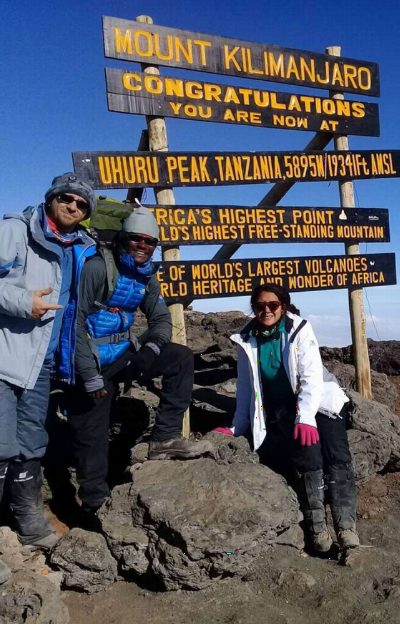
Three trekkers in down jackets beside the Uhuru Peak sign, snow and dark rock underfoot and clear blue sky behind.
Is this right for you

Who this trip suits

Eight days is the first length at which the Serengeti gets the time it needs, and adding Ndutu makes this the strongest photographic itinerary on the list. Three nights spread across the southern and central Serengeti, a full day at Ndutu, and the crater at the end.

Ndutu separates it from a standard circuit. Most of Ndutu sits inside the Ngorongoro Conservation Area, not the national park, so off-road driving is allowed in parts of it. That is the difference between a distant record shot of a cheetah and a photograph you would print. Photographers choose Ndutu over almost anywhere else on the circuit for exactly that reason.

It suits photographers, anyone travelling between December and March who wants the calving season, and first-time visitors who have the time and want the trip done properly, not efficiently.

It is a lot of driving for a family with small children, and the extra days are wasted on anyone who is happy with a highlights tour. If the budget is the constraint, the six-day route delivers the two headline destinations for meaningfully less.

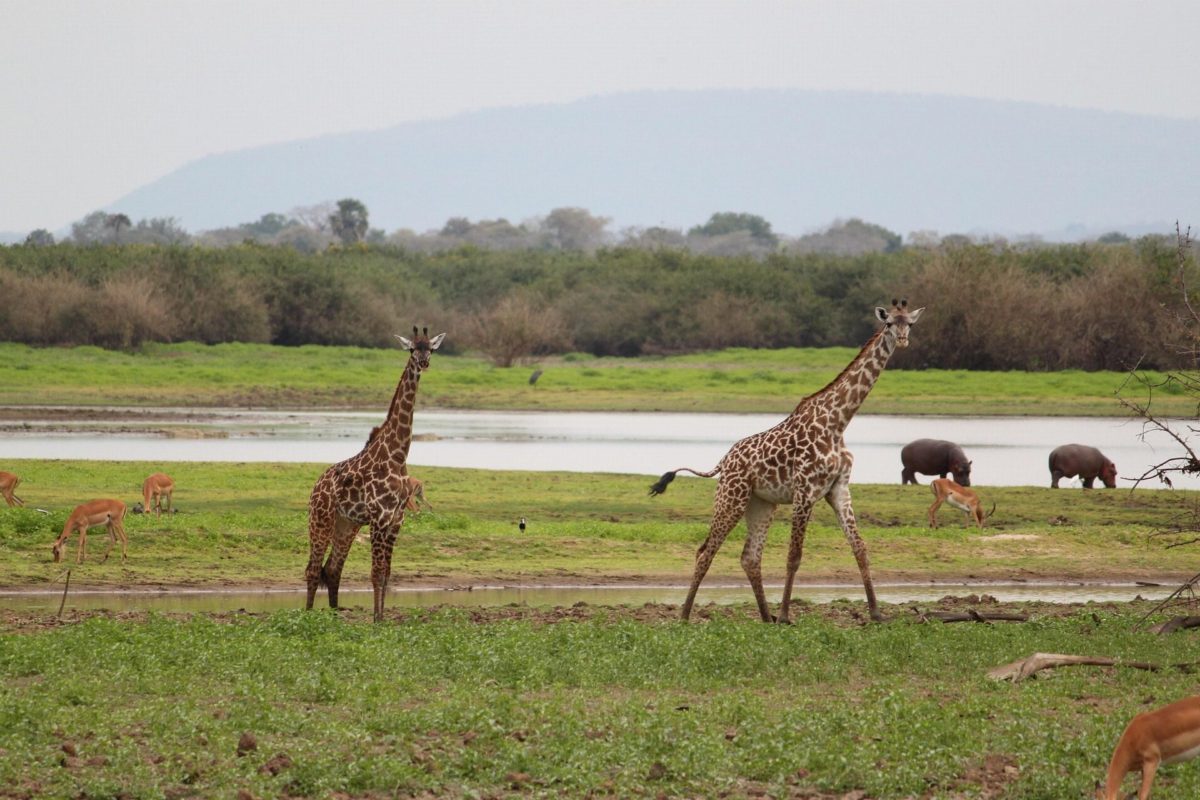
Two giraffes walking along a river, with more animals grazing behind.
Timing

The calving season, and the rest of the year

This route is built around Ndutu, and Ndutu has a season.

From about December to March the migration is on the southern short-grass plains. February is when the calving happens, with around four hundred thousand calves born inside two to three weeks. The predator activity that follows is the heaviest anywhere on the circuit, and you see hunts most days instead of once a trip.

February is the peak, and it books out early. December and January are excellent and noticeably quieter, with the herds on the plains and the calving just starting. March still holds animals, but the herds begin stringing out northwards.

Outside that window Ndutu is a quiet acacia-woodland area with modest resident game, good leopard around Lake Masek, and very few vehicles. The itinerary still works, because the central Serengeti carries it. But the southern plains are no longer the reason to be there.

If your dates fall between June and October, the same eight days work better with the Ndutu nights moved north into the central and northern Serengeti. Ask us about that when you enquire. The published route is not fixed.

Zebras and wildebeest grazing among bare, dead trees at the edge of the lake.
On the road

How much driving to expect

Northern-circuit roads are a mix of good tarmac and corrugated murram, and the corrugation is the part nobody warns you about. Inside the parks the tracks are graded dirt that shakes hard at anything above walking pace, and a transfer day between parks can involve three or four hours of it.

This matters for three groups of people. If you have a back or neck problem, say so when you enquire: it changes the sensible daily distance and it may change which itinerary makes sense. If you get motion sick, the front seat and an open hatch help far more than tablets. And if you're travelling with young children, the driving is usually the thing they find hardest, not the animals.

Everything is done in a private vehicle with a pop-up roof, which means the day is yours. If you want to sit with one lion pride for an hour, you sit with it. If you want to be back at camp by eleven and out again at four, you do that. The itinerary sets the route, not the clock.

Distances on the northern circuit look small on a map and take much longer than the kilometres suggest. Arusha to the central Serengeti is a full day of driving, not an afternoon.

Park rules that apply on this trip

For your safety and the wildlife's, driver-guides may not exceed 50kph inside the parks, and 25kph on the floor of the Ngorongoro Crater.

Off-road driving isn't permitted except in specified areas. Your guide will tell you where those are.

Night driving isn't allowed in the parks between 7pm and 6am, except where night game drives are specifically allowed. Lake Manyara is the main one on this circuit.

Extra excursions and activities not listed in the itinerary can usually be added, but need to be arranged with us in advance, not at the gate.

It is illegal to own or carry government trophies, meaning wildlife parts and products, without a permit from the Tanzania Wildlife Division. If you've bought trophies in another country, carry the import licence and receipt with you.

Drones and other unmanned aerial vehicles may not be flown in the game parks, for photography, filming or any other purpose, at any size.

Questions

About this trip

Why does this trip include Ndutu?
Most of Ndutu sits inside the Ngorongoro Conservation Area, not the national park, so off-road driving is allowed in parts of it. That is the difference between a distant view of a cheetah and a properly composed photograph, and it's why photographers choose it.
Is this the best trip for the calving season?
Yes, for dates between December and March. Calving peaks in February on the southern plains, and this is the itinerary that puts you there.
What if we travel outside the calving season?
The Ndutu nights are better moved north into the central Serengeti between June and October. The trips are private, so ask about that change. The published route is not fixed.
How much driving is there each day?
Transfer days between regions can run three to four hours on corrugated road. Full days in a park are game drives, not transfers. If you have a back problem or get motion sick, say so when you enquire. It changes what we would recommend.
Also consider

Other journeys

All safaris
Ready when you are

Ask us about this trip.

We will confirm availability, adjust anything you want changed and send a full quote.

Talk to a safari expert on WhatsApp (opens in a new tab)